

Introduction
Mobile technology has become an important part of everyday life. Smartphones are now used for communication, entertainment, education, shopping, productivity, financial services, and access to a wide range of online resources. As applications become more advanced and digital services continue expanding, users need practical information that helps them understand different types of apps, recognize useful features, and make sensible choices when exploring unfamiliar digital resources.
Barapk Org : can be considered within this broader environment of mobile applications and digital technology. When users encounter a technology-related name or platform, it is useful to understand its context rather than making assumptions based only on the name. Looking at the type of information available, how content is organized, and what purpose it serves can help users decide whether a resource is relevant to their interests.
The current app ecosystem is also changing rapidly because of artificial intelligence, cloud computing, connected devices, improved mobile hardware, and changing expectations around privacy. Modern users increasingly want applications that are convenient but also secure, accessible, and transparent. Understanding these factors can make digital exploration more productive and responsible.
Understanding Barapk Org in the Digital Environment
Barapk Org : can be explored as a topic within the wider world of applications, mobile technology, and digital resources. An app-related resource may discuss different categories of software, explain technology concepts, provide information about digital tools, or help users understand developments within the mobile ecosystem. However, users should evaluate the actual content and purpose of any specific platform rather than assuming that its name alone explains everything about it.
The modern application ecosystem includes productivity software, educational tools, entertainment platforms, games, communication services, utilities, and personalization applications. Each category addresses different user needs. Someone looking for a study application may prioritize organization and learning features, while a person searching for entertainment may focus on content variety and ease of use. Understanding the intended purpose of a resource is therefore an important first step.
Technology information is most useful when it provides context. Instead of simply presenting a list of applications, useful content can explain what different tools are designed to do, how they fit into modern digital habits, and what users should consider before adopting them.
The Evolution of Mobile Applications
Mobile applications have developed considerably since smartphones first became widely used. Early applications often focused on simple functions, but modern software can include cloud synchronization, artificial intelligence, location-based features, real-time communication, personalization, and integration with other devices. These developments have turned smartphones into versatile digital platforms.
Barapk Org : can be viewed in relation to this ongoing evolution of mobile technology. Users are no longer interested only in whether an application exists; they also want to know whether it is useful, compatible with their device, easy to navigate, and appropriately maintained. An application may offer many features, but its practical value depends on how effectively those features address the user’s needs.
For example, a note-taking application may be valuable because it synchronizes information across devices, while a productivity tool may be useful because it simplifies task management. A gaming application may focus on performance and user experience. These differences demonstrate why users should evaluate applications according to their specific purposes rather than popularity alone.
Different Types of Apps and Digital Tools
The mobile ecosystem includes applications designed for almost every aspect of digital life. Productivity tools can help users manage schedules, documents, notes, and tasks. Educational applications provide lessons, practice exercises, language learning, and reference material. Entertainment platforms offer video, music, streaming, and interactive content.
Gaming is another major part of the application ecosystem. Mobile games now range from simple casual experiences to complex titles that require modern hardware and stable internet connections. Utility applications can also simplify everyday activities such as document scanning, file management, device customization, and communication.
Some common categories include:
- Productivity apps for organization, tasks, notes, and collaboration.
- Educational apps for learning, revision, practice, and skill development.
- Entertainment apps for video, music, streaming, and digital content.
- Gaming apps for casual and advanced interactive experiences.
- Utility apps for practical smartphone functions and everyday tasks.
Understanding these categories can help users narrow their searches and focus on applications that address a specific requirement.
Artificial Intelligence and the Changing App Experience
Artificial intelligence is increasingly influencing mobile applications. AI-powered features can assist with search, recommendations, translation, image processing, content generation, automation, and personalized experiences. These capabilities can make applications more responsive and useful for individual users.
However, AI also creates new considerations. Automated systems may produce incorrect information or recommendations, and some AI features may require access to user data. Users should therefore understand what an AI-powered function does before relying on it for important tasks.
Barapk Org : can be considered within this broader development because modern app discovery increasingly involves understanding not only traditional application features but also intelligent capabilities. For example, an educational application might use AI to personalize exercises, while a productivity application could use AI to summarize documents or organize tasks.
The important point is that AI should be viewed as a tool rather than a guarantee of accuracy. Users still need to apply judgment and verify important information.
Why User Experience Matters
A successful application needs more than advanced technology. User experience plays an important role in determining whether people can actually benefit from its features. Clear navigation, readable text, responsive controls, logical menus, and fast performance can make an application easier to use.
This principle also applies to digital resources that discuss applications. When exploring Barapk Org :, users can consider how information is organized and whether explanations are easy to follow. Well-structured information allows readers to identify relevant topics quickly, particularly when they are accessing content through smartphones.
Accessibility is another important part of user experience. Digital services can reach a wider audience when they consider different screen sizes, readable interfaces, captions, straightforward navigation, and flexible methods of interaction. As technology becomes more widely used, accessibility should remain part of good digital design.
Cloud Computing and Connected Applications
Cloud technology has become an important part of the modern app ecosystem. Many applications rely on cloud systems to store information, synchronize accounts, provide backups, and enable access across multiple devices. This allows users to move between smartphones, tablets, and computers without losing access to important information.
Cloud connectivity is also useful for collaboration. Users can share documents, communicate through online platforms, and work together on projects from different locations. Businesses and educational organizations increasingly depend on these capabilities for flexible digital workflows.
At the same time, cloud-based applications require responsible account management. Users should protect passwords, enable additional authentication where appropriate, review account access, and understand how their information is handled. Convenience is valuable, but it should be combined with security awareness.
Evaluating Apps Before Installation
The large number of applications available today can make choosing the right tool difficult. Users may encounter attractive descriptions and promotional claims, but these do not always provide enough information to determine whether an app is suitable. Before installing an application, users can consider its purpose, compatibility, permissions, privacy practices, maintenance, and overall usability.
Barapk Org : can be approached from this practical perspective. Instead of installing an application simply because it is frequently mentioned, users can first identify what they actually need. Someone looking for a writing tool may prioritize simplicity and file compatibility, while a gamer may care about device performance and control options.
| Evaluation Factor | What to Check | Why It Matters |
|---|---|---|
| Purpose | What problem does the app solve? | Prevents unnecessary installations |
| Compatibility | Does it support the device? | Reduces technical issues |
| Privacy | What data does it request? | Supports better data awareness |
| Updates | Is it maintained regularly? | Can improve security and functionality |
| Usability | Is it easy to navigate? | Improves the overall experience |
Taking time to evaluate these factors can help users avoid applications that do not match their requirements.
Mobile Security and Responsible Browsing
Smartphones contain significant amounts of personal information, including photographs, messages, documents, account details, and sometimes financial information. This makes mobile security an important part of responsible technology use. Users should be cautious about applications, downloads, permissions, and unexpected requests for sensitive information.
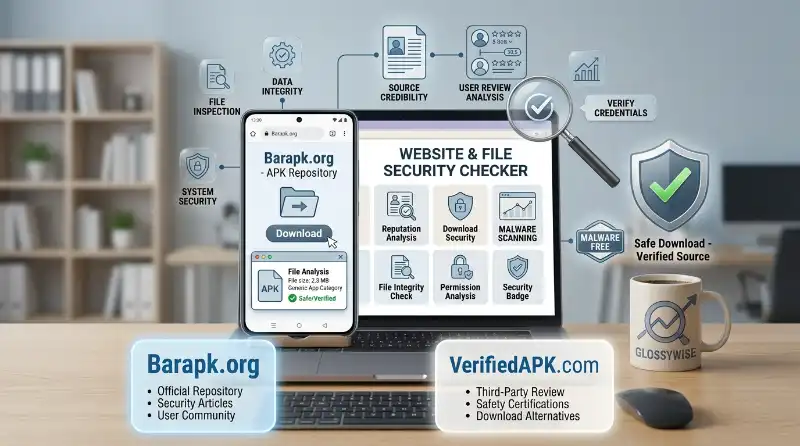
When researching Barapk Org : or any other technology resource, users should apply the same security principles they would use elsewhere online. They should avoid suspicious downloads, be careful with unknown files, keep devices updated, and review application permissions. A professional-looking interface alone does not prove that a digital resource is trustworthy.
Strong account security is also important. Unique passwords and multi-factor authentication can provide additional protection for important accounts. Regularly reviewing installed applications and removing unused software can further simplify device management.
Privacy and the Modern App Ecosystem
Privacy has become a major concern as applications collect and process increasing amounts of information. Depending on their function, apps may request access to location, contacts, photographs, microphones, cameras, or other device capabilities. Users should consider whether requested permissions are appropriate for the application’s stated purpose.
Privacy awareness does not mean avoiding technology altogether. Instead, users can make more informed choices by reading privacy information, reviewing permissions, limiting unnecessary access, and understanding account settings. These habits can help people maintain greater control over their digital information.
The broader Barapk Org : topic can therefore be considered alongside responsible digital behavior. App discovery should involve more than finding interesting software. It should also involve understanding how an application works, what information it may require, and whether its features justify the access it requests.
Comparing Digital Resources
Different digital resources provide different types of information. A technology article may explain general trends, official documentation may provide technical instructions, an educational platform may offer structured learning, and community discussions may provide personal experiences. Knowing the difference can help users select appropriate information.
For important decisions, users can compare several credible sources instead of relying entirely on one page. This is especially useful when decisions involve privacy, security, purchases, or technical compatibility.
Barapk Org : can be placed within this wider digital information environment. Whether a user is researching applications, mobile technology, or emerging trends, comparing information can help separate practical explanations from promotional descriptions or outdated material.
The Role of Mobile Technology in Everyday Life
Smartphones have become a central gateway to digital information. People use them to communicate, study, work, access entertainment, manage appointments, shop, navigate locations, and interact with online services. As a result, mobile applications increasingly influence everyday routines.
This also means users need to manage their digital environments carefully. Too many applications can create storage issues, notification overload, and unnecessary permissions. Periodic reviews can help users remove unused software and keep only the tools that provide genuine value.
Mobile technology also continues to become more connected. Smartphones can interact with smart watches, wireless accessories, vehicles, televisions, home devices, and computers. This connectivity creates new possibilities while also increasing the importance of account and device security.
Future Trends in Apps and Digital Technology
The application ecosystem is likely to continue evolving through artificial intelligence, cloud computing, automation, connected devices, and increasingly personalized experiences. Applications may become more capable of understanding user preferences and assisting with routine activities.
At the same time, users are likely to pay greater attention to transparency, security, privacy, and accessibility. As applications become more powerful, people will want to know how their information is used and how automated systems make recommendations.
For users exploring Barapk Org :, understanding these trends can provide useful context. Applications are not isolated pieces of software; they are part of a broader digital ecosystem that connects devices, services, data, and people. Staying informed can help users adapt as that ecosystem continues to change.
Practical Habits for Better Digital Experiences
Users can improve their digital experience by developing a few simple habits. They can begin by identifying their actual needs before installing new applications and then reviewing privacy and security settings regularly.
Useful habits include:
- Keep operating systems and applications updated.
- Review permissions after installing or updating apps.
- Use strong authentication for important accounts.
- Remove applications that are no longer needed.
- Verify important technology information before acting on it.
These practices are simple, but they can help users maintain better control over their digital environment while making more purposeful use of technology.
Frequently Asked Questions
What is Barapk Org?
Barapk Org can be explored as a topic associated with mobile applications, digital tools, and technology information. The actual purpose and content of any specific resource using the name should be evaluated from its current material rather than assumed from the name alone.
Why are mobile apps important today?
Mobile applications provide access to communication, entertainment, education, productivity, shopping, financial services, and many other digital activities. Their importance has grown as smartphones have become central to everyday life.
How should I evaluate an application before installing it?
Consider its purpose, compatibility, permissions, privacy practices, update history, usability, and whether it genuinely solves a problem you have. These factors provide a more complete picture than promotional descriptions alone.
Are AI-powered applications always accurate?
No. AI systems can generate incorrect or incomplete information. Users should verify important information and understand the limitations of the specific AI feature they are using.
How can users improve mobile security?
Users can keep devices updated, use strong passwords and multi-factor authentication, review permissions, avoid suspicious downloads, and be cautious about unexpected requests for personal information.
What trends will shape future mobile apps?
Artificial intelligence, cloud computing, automation, connected devices, personalization, and cross-platform integration are likely to continue influencing application development and user experiences.
Conclusion
Mobile technology has developed into a major part of modern digital life, providing tools for communication, education, entertainment, productivity, and countless everyday activities. As the application ecosystem becomes more sophisticated, users need to consider more than features alone. Privacy, security, compatibility, usability, accessibility, and practical value all contribute to a responsible digital experience.
Barapk Org : can be understood within this wider environment of mobile applications and digital technology. Users exploring this topic can benefit from approaching unfamiliar resources thoughtfully, checking the purpose of the information available, and comparing important details when necessary. Rather than installing or using technology simply because it is popular, people can focus on tools that genuinely support their needs.
The future of mobile technology will continue to be influenced by AI, cloud services, connected devices, and personalized digital experiences. As these developments progress, digital literacy will become increasingly valuable. Users who remain curious, evaluate information carefully, protect their accounts, and manage applications responsibly can make better use of technology while navigating an increasingly connected digital world.

