

Introduction
Mobile technology has changed how people communicate, work, learn, and entertain themselves. Smartphones have become essential tools for everyday activities, and applications are at the center of this transformation. From productivity platforms and educational resources to mobile games and entertainment services, users now expect applications to be accessible, convenient, and compatible with their devices. As the Android ecosystem has expanded, the methods people use to discover applications have evolved as well. Official app marketplaces remain important, but third-party app sources have also attracted attention from users looking for additional information, alternative distribution methods, or applications that may not be easy to find through conventional channels. This broader landscape has made app discovery an increasingly important topic in the digital world.
Barapk Org fits into discussions about third-party app discovery and the growing interest in alternative Android resources. Users who encounter unfamiliar app-related platforms often want to understand what they offer, how they operate, and whether their content can be trusted. These questions reflect a wider shift in consumer behavior, where people increasingly research digital services before interacting with them. However, finding an application is only one part of the process. Understanding its source, checking its permissions, evaluating its compatibility, and protecting personal information are equally important considerations when exploring mobile software.
The evolution of third-party app sources also highlights a balance between convenience and responsibility. Alternative distribution platforms can introduce users to different resources, but they may not always provide the same level of verification, support, or security that users expect from established app stores. Understanding this distinction helps people make informed decisions. By examining the development of alternative app discovery, changing user expectations, mobile security concerns, and responsible downloading practices, readers can better understand how this part of the Android ecosystem fits into the current digital environment.
Understanding the Growth of Third-Party App Sources
Third-party app sources are platforms or distribution channels that operate outside an application’s primary official marketplace. Depending on the service, they may provide app descriptions, software packages, older versions, developer information, or directories that help users discover available applications. Their growth is connected to the flexibility of the Android ecosystem, which supports software installation through more than one distribution method. Although many users depend on the Google Play Store for everyday downloads, others explore alternative sources for research, compatibility reasons, or access to specific software resources.
In the earlier stages of smartphone adoption, discovering an application was often a straightforward process. Users searched a marketplace, reviewed a few screenshots, and installed the software that appeared suitable. As the number of applications increased, however, finding the right option became more complicated. Different versions, regional restrictions, device requirements, subscription models, and changing developer policies created additional considerations. Third-party platforms emerged as another part of the discovery process, giving some users alternative ways to investigate available software. Nevertheless, the existence of a download page does not automatically establish the authenticity or safety of the application it describes.
Why Users Explore Alternative App Platforms
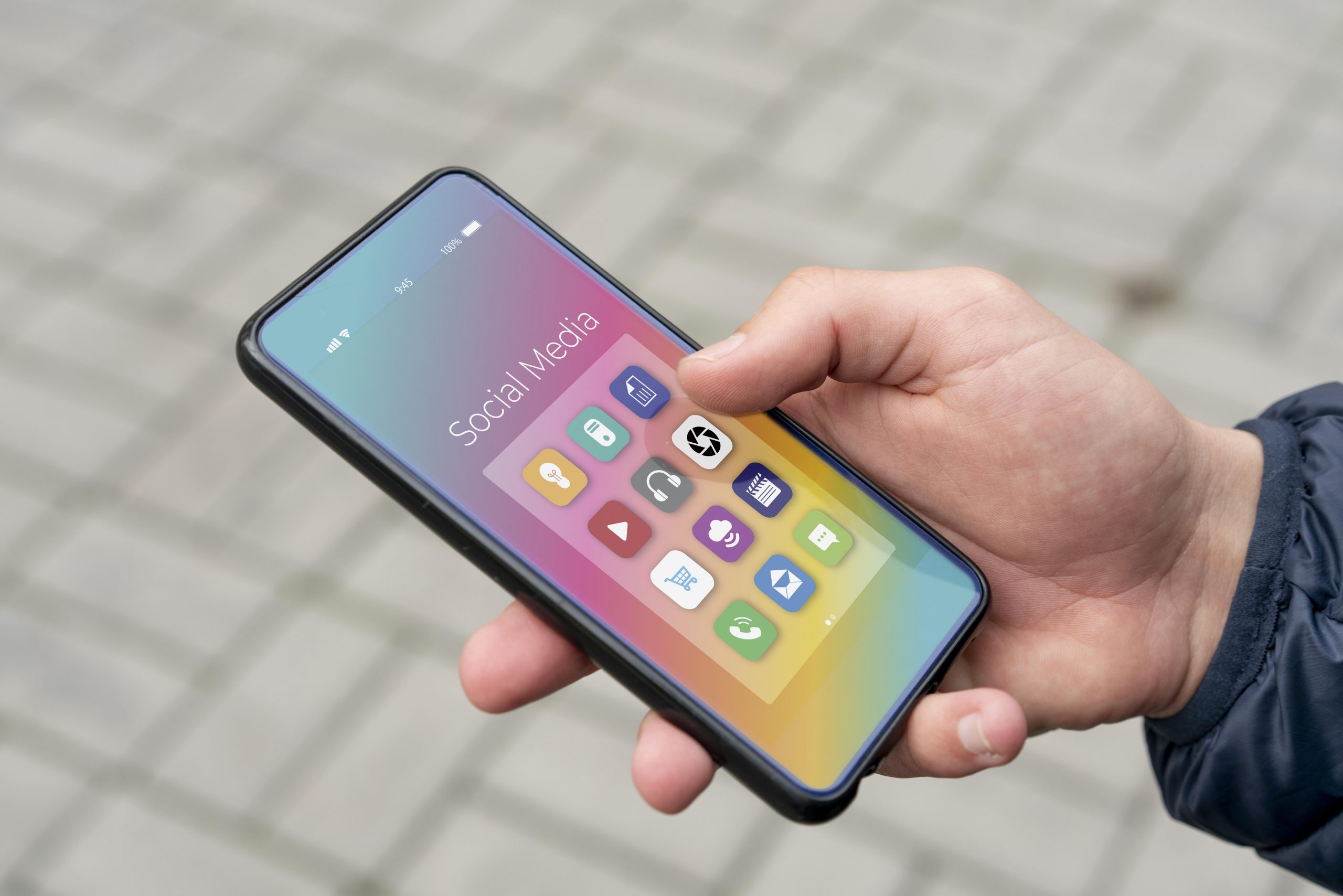
People explore alternative app sources for several reasons. Some want to learn about applications that receive limited attention in major marketplaces, while others are interested in software version history or device compatibility. Developers, technology enthusiasts, and experienced Android users may also research distribution formats to understand how applications work. These interests are not necessarily signs of unsafe behavior; they reflect the variety of needs within a large mobile ecosystem.
At the same time, user motivation should be separated from platform reliability. A website may present an attractive interface, detailed descriptions, and convenient categories without providing independent security verification. Readers researching Barapk Org should therefore distinguish between information a platform publishes about itself and evidence that confirms the authenticity of its software. This approach encourages a more thoughtful evaluation of alternative resources rather than assuming that popularity, search visibility, or professional design guarantees trustworthiness.
How App Discovery Has Changed in the Modern Digital Era
App discovery has developed alongside improvements in search technology, recommendation systems, mobile connectivity, and online communities. Today, users often discover applications through search engines, video demonstrations, technology publications, social media discussions, and recommendations from friends. Instead of relying on a single marketplace, they may compare several sources before deciding whether an application meets their needs. This behavior has created a more diverse discovery environment, where software descriptions, independent reviews, compatibility details, and security information can influence decisions.
Another important change is the growing expectation of transparency. Users want to know who developed an application, what information it collects, whether it contains advertisements, and how frequently it receives updates. They also expect clear information about device compatibility and potential limitations. These expectations apply to official marketplaces as well as alternative platforms. A resource that provides useful information can support the research process, but users should confirm important claims through trustworthy sources whenever possible. This is particularly relevant when evaluating unfamiliar websites such as Barapk Org, because the quality of the information presented is only one factor in assessing overall reliability.
The Influence of Search Engines and Online Communities
Search engines have made it easier to find niche software resources, but they have also increased the amount of information users must evaluate. A highly visible result may lead to an informative review, a legitimate developer page, an outdated listing, or a misleading download destination. Search ranking alone does not establish that a website is safe. Similarly, online discussions can provide useful experiences, but individual comments may be incomplete, promotional, or based on limited testing.
For this reason, modern app discovery works best when users combine multiple forms of evidence. They can compare application names, developer identities, release histories, and published permissions. They can also check whether reputable technology sources discuss the software and whether the original developer recognizes the distribution channel. These steps are more dependable than making decisions based entirely on search position or promotional claims.
BarAPK Org and the Changing Expectations of Android Users
Android users increasingly value convenience, flexibility, and clear information. They want to identify suitable applications quickly without spending unnecessary time navigating confusing pages or reviewing irrelevant options. A useful app-discovery experience should make it easy to understand an application’s purpose, intended audience, device requirements, and potential limitations. When users investigate Barapk Org, these expectations provide a practical framework for deciding what information they need before trusting an unfamiliar resource.
However, it is important not to confuse general expectations with verified platform features. The broader third-party app market contains websites with different purposes, standards, and levels of transparency. Without reliable, current evidence, specific claims about an individual website’s ownership, verification procedures, software inventory, or security practices should not be treated as established facts. Readers should independently assess the available information and avoid assuming that a website follows strong security practices simply because it presents itself as an app resource.
Convenience Versus Reliability
Convenience is valuable when it helps users locate relevant information quickly. Clear categories, understandable descriptions, readable layouts, and accurate compatibility details can reduce confusion. Yet convenience should never replace verification. A download that takes only a few seconds may still introduce security risks if its origin is unclear or its contents have been modified. Responsible users therefore consider both the ease of accessing software and the reliability of the source providing it.
Reliability also involves consistency over time. A trustworthy software distribution process should make the developer’s identity clear, provide accurate version information, and offer reasonable ways to identify legitimate releases. When these details are missing, users should be cautious. An alternative platform can be useful for research without necessarily being the best place to obtain the application itself. Keeping discovery and downloading as separate decisions helps users benefit from broader information while reducing unnecessary exposure to risk.
Comparing Official App Stores and Third-Party Sources

Official marketplaces and alternative app sources serve overlapping but different roles. Official stores generally provide structured application listings, developer accounts, update mechanisms, and security-related review processes. Third-party sources vary considerably: some focus on app information, while others distribute software packages directly. Because their procedures differ, users should evaluate each platform individually instead of treating every alternative source as equally reliable or equally risky.
The following table summarizes the main differences users should consider when comparing these distribution methods.
| Factor | Official App Stores | Third-Party App Sources |
|---|---|---|
| Developer information | Usually presented through structured listings | Availability and quality vary |
| Security review | Platform-specific review and protection systems | Depends on the provider and its procedures |
| Updates | Often delivered through the store | May require manual checking or installation |
| App availability | May involve regional or policy restrictions | May offer different listings or versions |
| User support | Often includes standardized reporting options | Support arrangements vary |
| Verification | Uses established platform mechanisms | Requires careful assessment of the source |
Neither category should be judged solely by its label. Official marketplaces can still contain problematic applications, and some independent repositories may maintain useful verification practices. The important distinction is whether a source provides meaningful safeguards, transparent information, and a reliable connection to the original software developer. Users should also recognize that security checks reduce risk rather than eliminate it completely.
Mobile App Security in the Current Scenario
Mobile security has become increasingly important as smartphones store more personal and professional information. Banking applications, messaging services, photographs, authentication tools, and work accounts can all be exposed if a device is compromised. Consequently, installing software from an unfamiliar source deserves particular attention. An application may look legitimate while containing unwanted advertising, collecting excessive information, or attempting to access data unrelated to its advertised purpose.
Users researching Barapk Org or any other third-party app resource should consider the risks associated with the entire download process. These risks can include deceptive advertisements, misleading download buttons, repackaged installation files, outdated software, and applications distributed without the original developer’s authorization. A website’s appearance does not reliably reveal whether a file has been modified. Where possible, users should obtain applications directly from the developer or a recognized marketplace that offers appropriate verification and update mechanisms.
Practical Steps for Safer App Installation
A few careful habits can reduce avoidable risks when researching or installing Android applications.
-
Verify the developer: Confirm the application’s identity and distribution details through an established source.
-
Review permissions: Question requests for sensitive access that does not match the application’s purpose.
-
Check the version: Avoid outdated releases that may contain known security weaknesses.
-
Use device protection: Keep Android updated and maintain available security scanning features.
-
Avoid suspicious prompts: Do not install additional software merely because a page insists it is necessary.
These practices are useful because security depends on several layers rather than one decision. A familiar application name, for example, does not prove that a particular installation file is genuine. Similarly, an application that requests reasonable permissions can still contain vulnerabilities. Users should combine source verification, permission awareness, software updates, and device-level protection instead of relying on any single indicator.
Understanding APK Files and Their Role in Android
APK stands for Android Package Kit, the traditional package format used to distribute and install Android applications. An APK contains the components required for an application to be installed, although the exact structure and delivery process can vary. Android users may encounter APK files when installing software outside a conventional marketplace, testing applications, or working with software supplied directly by a developer.
Understanding this format helps explain why alternative app sources attract attention. An APK can make an application available through a different distribution channel, but the file format itself does not guarantee authenticity. A malicious or modified package can also use the APK format. Users should therefore distinguish between the technical ability to install a file and the evidence that the file is legitimate. When possible, they should obtain the package from the original developer, confirm its integrity using a trusted verification method, and avoid files whose origin cannot be established.
Compatibility and Version Management
Compatibility is another important consideration. An application may require a particular Android version, device architecture, or set of system capabilities. Some applications are distributed through multiple package components, meaning that a file found independently may not include everything required for a successful installation. This can lead to errors, unexpected behavior, or confusion when users attempt to install software on incompatible devices.
Version management matters after installation as well. Applications receive updates to fix vulnerabilities, improve performance, address bugs, and maintain compatibility with changing operating systems. An older version may appear attractive because it behaves differently or supports a particular device, but it may also lack important security fixes. Users should weigh the reason for seeking an older release against the potential consequences and avoid disabling essential security protections simply to make an application work.
Privacy, Permissions, and Responsible Digital Behavior
Privacy is a central issue in modern app distribution because applications can request access to location data, contacts, cameras, microphones, files, and other sensitive resources. Some permissions are necessary for an application’s core functions, while others may be difficult to justify. For example, a navigation application reasonably needs location access during use, whereas a simple calculator generally has little reason to access contacts or record audio. Examining these differences helps users identify requests that deserve further investigation.
When exploring Barapk Org, users should apply the same privacy standards they would use with any unfamiliar digital resource. They should review the website’s available privacy information, avoid submitting unnecessary personal details, and be cautious about prompts requesting account credentials or payment information. They should also understand that a privacy statement is not independent proof of responsible data handling. Clear policies are useful, but they should be considered alongside the provider’s identity, reputation, technical practices, and the sensitivity of the information involved.
Responsible digital behavior also means recognizing when an application does not deserve access to a device. If software requests unusual permissions, redirects users through unrelated installation pages, or encourages them to disable security features without a convincing reason, stopping the process is often the safer choice. Users should not feel obligated to complete a download merely because they have already spent time researching it.
The Future of Third-Party App Sources
The future of third-party app distribution will likely be shaped by changing security requirements, privacy expectations, developer policies, and improvements in software verification. Users increasingly expect more than a downloadable file; they want trustworthy information about where software originates, how it behaves, and whether it continues to receive updates. Developers also have an interest in protecting their applications from unauthorized modification and ensuring that users receive legitimate releases.
Better verification tools may help users compare application signatures, confirm release authenticity, and identify suspicious files. Greater transparency around developer identities and software updates could also improve confidence in independent distribution channels. At the same time, malicious actors may continue to use deceptive websites, fake download buttons, and familiar application names to attract visitors. This means that improved technology will need to be supported by informed user decisions and responsible platform practices.
The broader discussion surrounding Barapk Org reflects this changing environment. People want flexible ways to discover digital resources, but they also expect a reasonable level of safety and transparency. The most useful app-discovery experiences will be those that help users understand their choices without exaggerating security claims or hiding important limitations. As Android continues to evolve, reliable information and careful verification will remain essential parts of the application discovery process.
FAQs About BarAPK Org and Third-Party App Sources
1. What is BarAPK Org?
BarAPK Org is a name users may encounter when researching Android-related resources and third-party app discovery. Its exact purpose, current features, ownership, and distribution practices should be verified through reliable, up-to-date information. Users should avoid assuming that a website provides safe downloads or verified applications without supporting evidence.
2. Are third-party app sources safe to use?
Their safety depends on the specific provider, the software being distributed, and the verification measures available. Some sources may offer legitimate resources, while others may host outdated, modified, or malicious files. Users should verify the original developer, check file authenticity when possible, review permissions, and prefer trusted distribution channels whenever available.
3. What is the difference between an APK and an app store?
An APK is an Android application package format, whereas an app store is a distribution platform that helps users discover, install, and update applications. An APK may be delivered through a store or obtained separately. The file format alone does not establish whether the application is genuine or safe.
4. How can users check whether an APK is legitimate?
Users should obtain the package from the original developer or another recognized source, verify its signature or integrity when reliable verification information is available, and compare its version with the developer’s published release. They should also review permissions and scan the file using reputable security tools. No single check can guarantee complete safety.
5. Why do some Android users look beyond official app stores?
Users may research alternative sources because of regional availability, compatibility needs, version history, specialized software, or interest in independent development. However, a particular application being difficult to find in an official store does not automatically make an alternative download legitimate. The source and the reason for the application’s absence should be investigated.
6. What should users do if an unfamiliar app behaves suspiciously?
Users should stop interacting with the application, review its permissions, and uninstall it if it appears unsafe. They should run available security checks, update their device, and change important passwords from a trusted device if account information may have been exposed. If sensitive financial or personal data is involved, they should contact the relevant service provider and take appropriate protective measures.
Conclusion
The evolution of third-party app sources reflects the growing complexity of the Android ecosystem. As users seek more flexibility, broader software choices, and convenient ways to research applications, alternative distribution channels have become part of the wider conversation about mobile technology. However, convenience alone cannot establish trust. Authenticity, privacy, compatibility, developer transparency, and ongoing security updates remain essential factors when evaluating any application resource.
Barapk Org can be considered within this broader discussion of app discovery and changing digital expectations, but specific claims about its current services or safety should be supported by reliable evidence. Users benefit most when they approach unfamiliar platforms with curiosity and caution, verify important details independently, and choose trusted software sources whenever possible. Ultimately, the future of app discovery will depend not only on making applications easier to find, but also on helping people make informed decisions that protect their devices, data, and digital privacy.

