

Introduction
Mobile applications have become an essential part of modern life. From communication and education to entertainment, shopping, banking, and professional activities, people depend on mobile apps to complete everyday tasks. As smartphones continue to evolve, users expect applications to offer more than basic functionality. They want convenient navigation, faster performance, better compatibility, accessible features, and reliable digital experiences. These expectations are encouraging developers and digital platforms to rethink how mobile applications are discovered, distributed, and used. Mobile app accessibility is no longer limited to making an application available for download. It also involves ensuring that people with different abilities, devices, technical knowledge, and internet conditions can use digital services comfortably.
In this changing environment, Barapk Org can be explored as a topic connected with mobile application discovery and the wider development of accessible digital experiences. The growing interest in alternative approaches to app exploration reflects how users want greater flexibility when searching for mobile software. However, accessibility must go hand in hand with transparency, compatibility, privacy, and security. Understanding these factors helps users make informed decisions while exploring the expanding mobile application ecosystem. As technology develops, the future will depend on creating experiences that are convenient without overlooking the importance of responsible digital practices.
Understanding the Changing World of Mobile App Accessibility
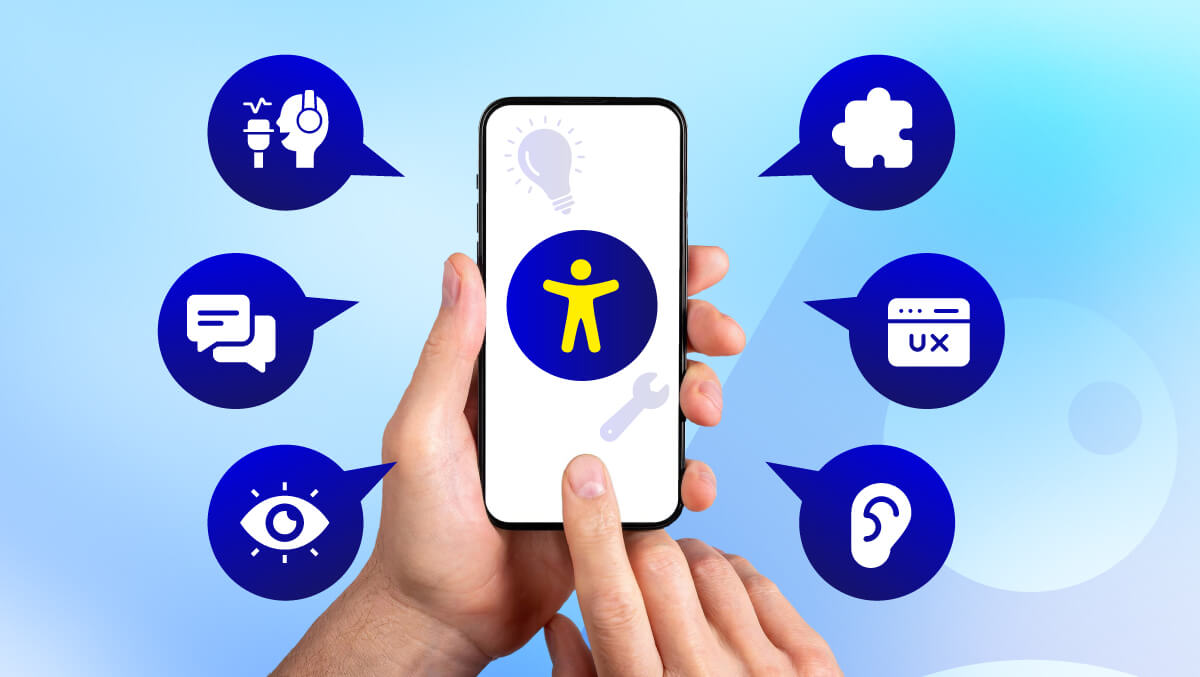
Mobile app accessibility refers to designing and delivering applications that can be used by people with different abilities and requirements. It includes visual accessibility, hearing support, simplified navigation, readable content, voice interaction, and compatibility with assistive technologies. An accessible application should not create unnecessary barriers for someone who uses a screen reader, prefers larger text, has limited motor control, or needs captions to understand audio content.
In earlier stages of smartphone development, many applications focused primarily on appearance and basic performance. Today, expectations are much broader. Users want interfaces that adjust to different screen sizes, support multiple languages, respond quickly, and provide clear instructions. Developers are increasingly considering accessibility during the design process rather than treating it as an additional feature. This change is important because mobile technology serves a diverse population with different levels of digital experience.
How Barapk Org Connects With Modern App Discovery
App discovery is an important part of the mobile technology experience. Users regularly search for applications that solve particular problems, improve productivity, provide entertainment, or support personal interests. Traditional app marketplaces offer organized categories, reviews, ratings, and compatibility information. However, people also explore other sources of information to understand available applications and their features.
Barapk Org can be considered within this broader discussion about how people discover and learn about mobile applications. The increasing interest in app-related digital platforms highlights the demand for accessible information and straightforward exploration. Users often want to understand an application’s purpose, supported devices, available features, and installation requirements before making a decision. Clear explanations can make this process easier, especially for beginners who may not understand technical terminology.
It is important to distinguish between an informational platform and an official application distribution service. Users should verify what a website actually provides before assuming that it hosts, reviews, or distributes particular applications. This distinction supports better decision-making and reduces the possibility of downloading software from an unverified source.
Why Accessibility Is Becoming a Major Technology Priority
Accessibility is becoming increasingly important because smartphones are used by people with different physical abilities, educational backgrounds, and technical resources. A complicated interface may discourage someone who is unfamiliar with mobile technology, while small text or unclear icons can make an application difficult for users with visual limitations. Similarly, an application that depends entirely on sound may exclude people who are deaf or hard of hearing.
Modern developers are responding to these challenges through more thoughtful design. Features such as adjustable font sizes, high-contrast display options, keyboard navigation, descriptive buttons, captions, and screen-reader compatibility are helping make applications easier to use. These improvements benefit a much wider audience than users with permanent disabilities. For example, someone using a phone outdoors in bright sunlight may benefit from high-contrast settings, while a person watching a video in a noisy environment may prefer captions.
The future of mobile accessibility will depend on making these features consistent across applications. Platforms discussing mobile software, including Barapk Org, can contribute to informed exploration by encouraging users to consider accessibility alongside appearance, popularity, and functionality.
The Role of Technology in Improving Mobile Experiences
Artificial Intelligence and Personalized Interfaces
Artificial intelligence is influencing how mobile applications respond to individual needs. Modern AI-powered systems can support voice recognition, automatic captions, language translation, predictive text, and personalized recommendations. These features can reduce the effort required to interact with applications and make digital services more approachable.
For example, voice-assisted navigation can help someone complete a task without relying entirely on touch controls. Automatic translation can make information understandable to people who speak different languages. Meanwhile, intelligent text suggestions can improve communication and reduce typing effort. As these technologies become more widely integrated, accessibility features may become a standard part of mobile application development.
However, AI-based accessibility should be designed responsibly. Automated systems can misunderstand speech, produce inaccurate translations, or provide unsuitable recommendations. Human oversight, clear settings, and privacy-conscious data handling will remain essential for building trustworthy experiences.
Cloud Technology and Device Compatibility
Cloud computing is another important development in the mobile application environment. It allows certain services and processing tasks to operate through remote infrastructure rather than depending entirely on a smartphone’s internal resources. This approach can help applications deliver complex features across devices with different hardware capabilities.
Device compatibility also remains a significant concern. Not everyone owns the newest smartphone, and many people continue using older devices because replacing them frequently is expensive. Developers therefore need to consider operating system versions, memory requirements, screen dimensions, and processing limitations. Lightweight applications and optimized interfaces can make digital services available to a wider audience.
Important Factors That Shape the Future of App Accessibility
Several connected developments are likely to influence how users discover, understand, and interact with mobile applications.
1. Inclusive Interface Design
Inclusive design focuses on creating interfaces that work for people with different needs. Clear typography, recognizable icons, logical navigation, and consistent layouts can make applications easier to understand. Developers should avoid relying exclusively on color to communicate important information because some users may have difficulty distinguishing certain colors.
2. Better Language Support
Language accessibility is equally important in a digitally connected world. Applications that support multiple languages can reach users who are more comfortable interacting in their native language. Simple instructions and understandable terminology also reduce confusion.
3. Stronger Security Awareness
Mobile accessibility should never come at the expense of user safety. People need clear information about application permissions, privacy practices, and software sources. Transparent security information helps users understand what they are installing and what data an application may access.
4. Improved Performance on Different Devices
An accessible application should not require expensive hardware to perform basic functions. Optimized performance, reasonable storage requirements, and compatibility with different screen sizes can help more people participate in the digital environment.
Comparing Traditional and Emerging Mobile App Experiences
The mobile application ecosystem is moving toward experiences that emphasize convenience, personalization, and inclusion. The following comparison highlights some important differences between traditional approaches and emerging expectations.
| Area | Traditional Approach | Emerging Accessibility Focus |
|---|---|---|
| Interface design | Basic visual layouts | Inclusive and adaptable interfaces |
| Navigation | Primarily touch-based | Touch, voice, and assistive controls |
| Language | Limited language choices | Expanded multilingual support |
| Compatibility | Focus on newer devices | Support for different device capabilities |
| Security | Basic permission information | Greater transparency and privacy awareness |
| Personalization | Standard experiences | Flexible settings based on user needs |
| Performance | Feature-focused development | Efficient performance and optimization |
These changes demonstrate that mobile innovation is not simply about adding more advanced features. It is also about making existing technology easier to understand and use. An application with hundreds of features may still provide a poor experience if users cannot navigate its interface comfortably.
The Importance of Security When Exploring Mobile Applications
Security is one of the most important considerations when discussing mobile application accessibility. As users explore different software sources, they should understand that not every application available online is trustworthy. Unverified installation files may contain unwanted software, excessive permissions, or harmful code. Downloading an application without checking its origin can expose personal information and affect device performance.
Users exploring Barapk Org or similar app-related topics should approach unfamiliar software sources carefully. A professional-looking website does not automatically establish that its files are safe or officially supported. It is better to verify the application’s developer, distribution source, update history, permissions, and available security information before installation.
Some useful precautions include:
- Prefer official application stores and verified developer websites.
- Review requested permissions before installing an application.
- Keep the operating system and security updates current.
- Avoid unknown files and suspicious installation instructions.
- Check whether an application provides clear privacy information.
These simple practices can reduce unnecessary risks while helping users enjoy the benefits of mobile technology.
How Mobile Accessibility Supports Different Types of Users
Students and Educational Communities
Students increasingly depend on mobile applications for online learning, digital libraries, language practice, and communication with teachers. Accessible educational applications can provide adjustable text, audio explanations, captions, and simplified navigation. These features help students with different learning preferences participate more comfortably.
For students with limited internet connectivity, lightweight applications and offline access can also make a meaningful difference. Educational technology becomes more useful when students can access important resources without requiring expensive smartphones or consistently high-speed internet connections.
Professionals and Business Users
Professionals use mobile applications to manage schedules, communicate with colleagues, review documents, and organize daily responsibilities. Accessibility features such as voice input, readable dashboards, and keyboard compatibility can improve productivity. Employees with different accessibility requirements can participate more effectively when workplace applications are designed inclusively.
Everyday Smartphone Users
Accessibility also benefits ordinary smartphone users. Someone with temporary hand discomfort may appreciate voice controls, while another person may prefer larger text when reading on a small screen. Parents, older adults, travelers, and people working in different environments can all benefit from flexible interfaces.
This demonstrates why accessibility should not be treated as a specialized feature for a small group. It is an important part of creating better mobile experiences for everyone.
Challenges That Could Influence the Future of Mobile Applications
Although mobile technology is advancing quickly, several challenges remain. One major issue is the difference between the devices people own. Applications designed for high-performance smartphones may not work smoothly on older devices with limited memory or processing power. Developers must balance advanced functionality with practical performance requirements.
Another challenge involves inconsistent accessibility standards. Some applications provide excellent screen-reader support, while others contain buttons without meaningful descriptions or interfaces that are difficult to navigate using assistive technologies. These inconsistencies can make the overall smartphone experience frustrating.
Privacy is another important concern. Personalized services sometimes depend on collecting information about user behavior, preferences, or device activity. Companies must explain their data practices clearly and give users meaningful control over personal information.
Barapk Org fits into a wider conversation about these developments because discussions surrounding mobile app exploration naturally raise questions about usability, availability, compatibility, and trust. Addressing these challenges requires cooperation between developers, platform providers, technology companies, and users.
What Users Should Look for in an Accessible Mobile Application
Choosing an application should involve more than checking its popularity or visual design. Users should consider whether the software supports their device, offers understandable navigation, and provides appropriate accessibility settings. Reading the available documentation and checking developer information can also help establish whether an application is suitable for a particular purpose.
A useful application should make essential tasks straightforward. For instance, a banking application should present important actions clearly, explain security warnings, and support accessible authentication methods. Similarly, an educational application should make lessons understandable through readable content and suitable multimedia controls.
Users should also consider how frequently an application receives updates. Regular maintenance can improve compatibility, address security issues, and fix accessibility problems. An application that no longer receives support may gradually become less reliable as operating systems and device requirements change.
The Future Direction of Barapk Org and Mobile App Accessibility
The future of mobile application accessibility will likely be influenced by artificial intelligence, improved device integration, multilingual technology, and more consistent inclusive design standards. As smartphones become increasingly connected to other digital services, users will expect applications to work smoothly across different devices and environments. This will make compatibility, privacy, and simple navigation even more important.
The broader conversation surrounding Barapk Org reflects the growing interest in understanding mobile application ecosystems and the ways people interact with digital software. For an app-related platform to remain relevant in this changing environment, useful information, transparent communication, and responsible technology awareness are important considerations. Users increasingly value platforms that help them understand software rather than simply encouraging them to explore unfamiliar applications.
Future developments may also place greater emphasis on accessibility testing before applications are released. Developers could increasingly involve people with different abilities in testing processes to identify problems that automated tools may overlook. This practical approach can help create software that works better in real-world situations.
Ultimately, the success of mobile accessibility will depend on whether technological progress improves everyday experiences. More advanced applications are valuable, but their benefits become meaningful only when people can use them safely, comfortably, and independently.
Frequently Asked Questions (FAQs)
1. What is Barapk Org?
Barapk Org is a search topic associated with the broader discussion of mobile application discovery and digital accessibility. Anyone exploring the name should verify the website’s actual purpose, available services, and credibility rather than assuming that it provides a particular application or download service.
2. Why is mobile app accessibility important?
Mobile app accessibility makes digital services easier to use for people with different physical abilities, technical skills, and device requirements. Features such as screen-reader support, captions, adjustable text, and voice navigation help create more inclusive digital experiences.
3. How can users explore mobile applications safely?
Users should prefer verified application sources, check developer information, review requested permissions, and keep their devices updated. They should also avoid unfamiliar installation files and applications that provide unclear privacy or security information.
4. What technologies are improving mobile accessibility?
Artificial intelligence, voice recognition, automatic captions, cloud computing, multilingual support, and assistive technologies are improving how people interact with mobile applications. These developments can make digital services more flexible and convenient.
5. Will mobile applications become more accessible in the future?
Mobile applications are increasingly being designed with inclusive interfaces, personalized settings, and assistive features. Continued improvements in accessibility standards, device compatibility, and software development practices can make future mobile experiences more inclusive.
6. What should users consider before installing an application?
Users should check compatibility, developer credibility, security information, privacy policies, permissions, and update history. These factors help determine whether an application is appropriate for their needs and whether its source can be trusted.
Conclusion
Mobile app accessibility is becoming a central part of the digital future. As smartphones continue to influence education, communication, entertainment, and professional activities, applications must become easier to navigate, more inclusive, and compatible with different devices. Artificial intelligence, cloud computing, voice assistance, multilingual interfaces, and improved security practices are creating new opportunities to improve everyday mobile experiences.
Barapk Org can be understood within this expanding discussion about app discovery and the changing expectations of mobile users. However, long-term progress depends on more than convenient access to applications. Transparency, responsible software distribution, privacy protection, and inclusive design are equally important. By understanding these factors, users can make better technology decisions while developers and digital platforms can contribute to a more accessible mobile environment. The future of mobile applications will ultimately be shaped by technology that serves people effectively, regardless of their devices, abilities, or levels of technical experience.

