
Introduction
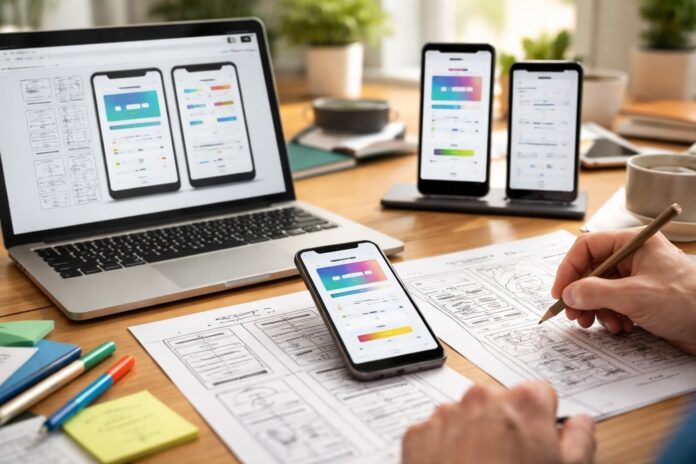
Mobile applications have become an essential part of everyday life, influencing how people communicate, learn, work, shop, manage finances, and enjoy entertainment. As smartphones become more capable, users increasingly expect convenient access to applications that meet their individual needs. Although official app stores remain the primary distribution channels for most smartphone users, alternative sources and independent websites have also attracted attention. This changing environment has created new conversations about app discovery, software accessibility, compatibility, and digital safety. Understanding these developments helps users make informed decisions before installing applications on their devices.
Barapk Org is a search term associated with the wider discussion of mobile application discovery and APK-based distribution. People exploring unfamiliar app-related websites should understand how third-party distribution works, what APK files contain, and which precautions matter before downloading software. The name alone does not establish a website’s ownership, reliability, security practices, or the authenticity of its available files. Therefore, evaluating any platform requires more than simply reading its descriptions or relying on claims about convenience.
Modern mobile app distribution is no longer limited to finding an application and pressing an installation button. Users must also consider operating system restrictions, software permissions, developer reputation, update availability, privacy policies, and potential security risks. By examining these factors, readers can develop a clearer understanding of the opportunities and limitations associated with alternative app sources.
What Is Modern Mobile App Distribution?
Mobile app distribution refers to the process through which developers make applications available for people to download, install, update, and use. This process involves several elements, including software development, application packaging, digital signing, hosting infrastructure, compatibility testing, and distribution channels. Official stores generally provide a centralized environment in which applications can be discovered and managed, while alternative distribution methods may give developers additional flexibility over how their software reaches users.
The distribution landscape has expanded alongside the growth of Android devices, mobile gaming, productivity applications, educational tools, and specialized software. Developers may distribute applications through official marketplaces, their own websites, enterprise management systems, or other permitted channels. Each method has different requirements and levels of oversight. Users therefore need to understand not only where an application comes from but also how its authenticity and integrity can be evaluated.
The Role of APK Files in Android
APK stands for Android Package Kit, a file format historically used to package Android applications for installation. An APK can contain compiled application code, resources, assets, and information that Android needs to install and run the software. It serves as a packaged distribution unit rather than a guarantee that an application is safe or trustworthy.
APK files can be useful when developers need to distribute software directly, testers need to examine a particular application build, or an organization manages software across its own devices. However, installing an APK obtained from an unfamiliar source requires additional care. A file may be outdated, modified, incompatible with the device, or designed to collect information without appropriate transparency. Users should verify the developer and file origin before proceeding.
Understanding Barapk Org in the App Discovery Landscape
People searching for Barapk Org may be interested in discovering Android applications, learning about alternative distribution methods, or understanding how third-party app resources operate. Such searches reflect a broader trend in which smartphone users look beyond familiar marketplaces to explore software that may be less visible through conventional discovery methods.
However, it is important to separate a search topic from a verified service. Without reliable, current evidence, it would be inappropriate to claim that a particular website offers authentic applications, performs security checks, provides regular updates, or guarantees safe downloads. Users should assess the specific website they encounter rather than assuming that its name or presentation establishes its credibility.
A sensible evaluation begins with basic questions. Does the platform identify its operator? Are developers and original application sources clearly named? Does it explain how files are obtained and checked? Are version numbers, release dates, and compatibility details available? Are privacy and security practices explained in understandable language? Answers to these questions help users distinguish transparent resources from websites that provide insufficient information.
Why Alternative App Sources Attract Attention
Alternative distribution channels appeal to different users for different reasons. Some people want access to earlier software versions for compatibility testing, while developers may need to share applications with a limited group before public release. Others may be researching applications that are unavailable through their usual marketplace or investigating how Android installation packages work.
These use cases can be legitimate, but convenience should not replace verification. An application obtained outside an established marketplace may not receive the same level of screening, reporting support, or automatic update management. Even when an app appears familiar, a modified installation package could contain different code from the developer’s original release.
How Mobile App Distribution Works Today
The modern distribution process involves more than uploading a file to a website. Developers typically prepare application builds, test them on supported devices, sign their releases, and publish them through selected distribution channels. Users then discover the software, review its requirements, install it, and receive updates when new versions become available.
Android also supports distribution formats and delivery methods that are more sophisticated than a single APK file. Some applications are delivered using Android App Bundles, from which compatible installation packages can be generated for individual devices. This allows distribution systems to provide device-specific resources and configurations rather than requiring every user to receive an identical package.
The following table summarizes common distribution methods and their practical considerations.
| Distribution method | Main purpose | Important consideration |
|---|---|---|
| Official app stores | Discover, install, and update applications | Review developer identity, permissions, and store information |
| Developer websites | Distribute software directly to users | Confirm the domain and verify the publisher |
| Enterprise distribution | Deploy approved applications within organizations | Follow organizational security and device-management policies |
| Testing channels | Share prerelease software with testers | Expect bugs, limited support, and frequent updates |
| Third-party APK websites | Provide access to installation packages | Verify authenticity, integrity, compatibility, and reputation |
No distribution method eliminates every risk. Official marketplaces can also contain problematic applications, while legitimate developers sometimes distribute software directly. The important difference is the quality of verification, transparency, support, and safeguards available to the user.
Security Considerations When Downloading APK Files
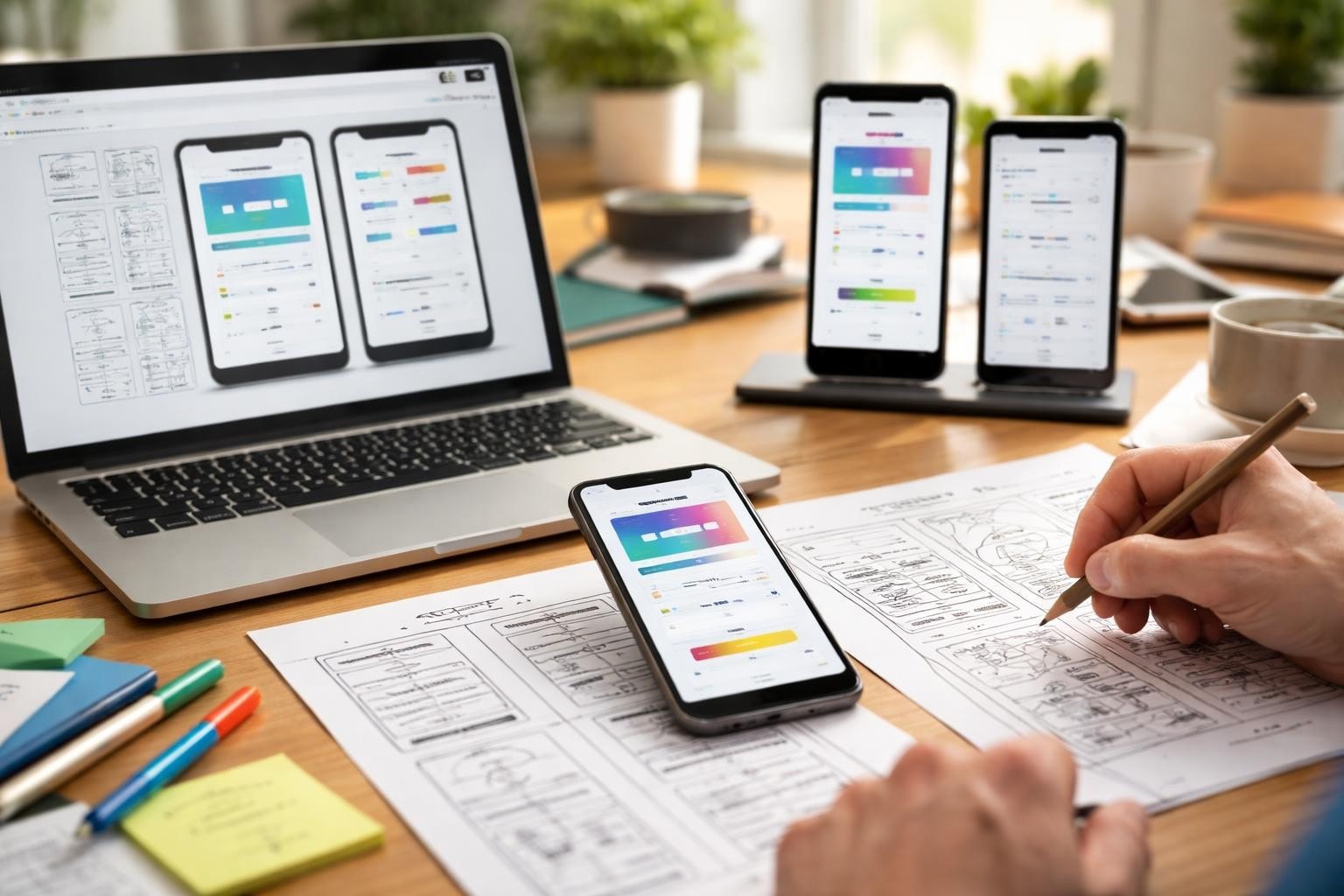
Security is one of the most important factors in mobile app distribution. An application can request access to contacts, photographs, location information, the camera, the microphone, or other device capabilities. These permissions may be necessary for legitimate features, but excessive or unexplained access can indicate a privacy concern.
Users researching Barapk Org or any other unfamiliar application source should avoid treating attractive descriptions, download counters, or positive-looking reviews as conclusive evidence of safety. Such signals can be incomplete or manipulated. A stronger assessment considers the developer’s identity, the application’s intended purpose, its permission requests, its update history, and the availability of trustworthy information about the original release.
Android’s built-in security protections can help identify certain harmful applications, but they cannot guarantee that every threat will be detected. Similarly, a clean result from a single scanning tool should not be interpreted as proof that a file is harmless. Security decisions are more reliable when several independent checks support the same conclusion.
Practical Safety Checks Before Installation
Before installing software obtained from an unfamiliar source, users should take a few precautions:
-
Confirm the application’s publisher and prefer the developer’s official distribution channel.
-
Check the version number, release information, device compatibility, and requested permissions.
-
Scan the file with reputable security tools and pay attention to any warnings.
-
Avoid packages that demand unnecessary access, encourage disabling security protections, or make suspicious promises.
These steps reduce avoidable risks, although they cannot eliminate them completely. If a website offers no credible information about the source of its files, the safer decision is to avoid installing them.
Compatibility, Updates, and Application Performance
An application that works on one Android device may not work correctly on another. Differences in Android versions, processor architecture, screen configuration, device capabilities, and required system components can affect installation and performance. A package designed for an older operating system might fail on a newer device, while an application requiring newer system features may not operate properly on an older phone.
Software updates are equally important. Developers release updates to address defects, improve performance, introduce features, and correct security vulnerabilities. Applications obtained through channels without dependable update notifications can remain outdated for long periods. Users may then miss important fixes or continue using software that no longer receives support.
When considering Barapk Org as an app-related search topic, it is useful to remember that downloading an installation file is only one stage of the software lifecycle. Users also need to understand where future updates will come from and how they will confirm that a replacement package is authentic. Reinstalling or updating software from an unverified source can introduce additional risk, especially if the new file differs from the original developer release.
Privacy and Permissions in the Mobile Environment
Privacy has become a central concern as mobile applications collect and process increasing amounts of personal information. Depending on their purpose, applications may handle account details, location data, browsing activity, device identifiers, photographs, or financial information. Responsible developers explain why data is collected, how it is used, whether it is shared, and how users can manage their preferences.
Users should examine permissions in relation to an application’s core function. A navigation application may reasonably need location access, while a simple offline calculator generally has little reason to request contacts or microphone access. Context matters because some permissions support legitimate optional features, but requests that seem unrelated to the advertised purpose deserve closer examination.
Privacy policies should also be read carefully. A policy that is missing, vague, or disconnected from the identified developer provides limited reassurance. Users should avoid entering sensitive information into unfamiliar applications until they have established a reasonable level of trust. Where possible, they should use Android’s permission controls to limit access and revoke permissions that are no longer necessary.
Benefits and Limitations of Alternative Distribution
Alternative app distribution can provide flexibility for developers, testers, businesses, and technically experienced users. Direct distribution may help developers share experimental builds, while enterprise systems can deliver specialized tools to employees. Access to earlier versions can also support compatibility testing and software research.
Nevertheless, these benefits come with responsibilities. Alternative sources may provide less consistent moderation, limited customer support, unclear update policies, or insufficient information about file authenticity. Users may also encounter misleading download buttons, aggressive advertising, unwanted software, or pages that imitate legitimate application publishers.
The following distinctions can help users evaluate the experience more realistically.
Potential Benefits
Alternative distribution can support direct developer access, controlled testing, specialized software delivery, and additional flexibility over release management. It can also help technical users understand how application packages are structured and installed.
Common Limitations
The main concerns include uncertainty about file integrity, weaker update management, compatibility problems, privacy risks, and limited accountability. These issues become more serious when a website does not identify its operators or explain how its application files are sourced.
The most appropriate choice depends on the user’s purpose and technical experience. For everyday users, established distribution channels generally offer a more convenient starting point. Developers and experienced testers may have legitimate reasons to use alternative channels, provided they follow appropriate verification practices.
The Future of Mobile App Distribution
Mobile app distribution is likely to continue evolving as operating systems, security tools, developer workflows, and digital regulations change. App marketplaces are improving discovery and distribution features, while developers are adopting more flexible delivery systems that can tailor software packages to individual devices. Enterprise management tools and controlled testing environments are also becoming increasingly important in professional software development.
At the same time, digital security threats are becoming more sophisticated. Malicious applications can imitate popular services, abuse permissions, or use deceptive installation instructions to encourage unsafe behavior. As a result, security education is increasingly important alongside technical safeguards. Users need to recognize suspicious requests, understand the limitations of automated scanning, and distinguish verified software sources from unverified claims.
Another important development is the growing emphasis on transparency. Clear developer identities, documented release histories, understandable privacy policies, and verifiable software signatures help users make better decisions. These practices are valuable regardless of whether an application comes from a major marketplace, a developer’s website, or another distribution channel.
FAQs About Barapk Org and Mobile App Distribution
1. What is Barapk Org?
Barapk Org is a search term related to discussions about mobile applications and APK-based distribution. Its name alone does not verify the identity, ownership, services, or security practices of any particular website. Users should independently evaluate the specific platform they encounter before downloading software.
2. What does APK mean in Android?
APK stands for Android Package Kit. It is a package format used to distribute Android applications for installation. APK files contain the components needed to install an application, but their existence does not prove that the software is authentic, compatible, or safe.
3. Is it safe to download applications from third-party websites?
Safety depends on the website, the application, and the authenticity of the downloaded file. Third-party downloads may carry risks involving modified software, malicious code, outdated versions, and privacy concerns. Users should prefer verified developer sources and avoid installing files whose origin cannot be established.
4. How can users check whether an APK is trustworthy?
Users can confirm the publisher’s identity, compare version information with the official release, examine permissions, use reputable security scanning tools, and verify available digital signatures or checksums when possible. No single check guarantees safety, so multiple forms of verification are preferable.
5. Why do Android applications sometimes fail to install?
Installation problems can occur because of incompatible Android versions, unsupported device architecture, insufficient storage, corrupted files, signature conflicts, or missing package components. Users should check the application’s system requirements and obtain a complete, authentic package intended for their device.
6. Should users disable Android security protections to install an APK?
Generally, users should not disable security protections simply because a website instructs them to do so. Such instructions can increase exposure to harmful software. If an installation requires unusual security changes, users should investigate the reason and seek a verified distribution method instead.
Conclusion
Modern mobile app distribution gives users and developers more ways to discover, deliver, test, and install software than ever before. APK files remain an important part of the Android ecosystem, supporting legitimate development and distribution needs while also requiring careful handling when obtained from unfamiliar sources. Understanding compatibility, software authenticity, permissions, privacy, and update management helps users navigate this environment with greater confidence.
Barapk Org is best approached as an app-related search topic that warrants informed evaluation rather than automatic trust. Before using any website associated with third-party applications, users should verify its identity, investigate the origin of its files, consider the available security information, and prioritize official developer channels whenever practical. Ultimately, responsible mobile app distribution depends on balancing convenience with security, transparency, and informed decision-making.

