
Introduction
The internet has changed the way people discover applications, digital tools, entertainment resources, educational material, and technology information. Instead of depending entirely on traditional software stores or offline recommendations, users can now research unfamiliar digital resources through search engines, technology websites, online communities, and specialized platforms. This wider choice gives people more flexibility, but it also means they need to understand what they are looking for and evaluate information carefully.
Barapk Org : can be discussed within this broader environment of digital discovery. Users may encounter technology-oriented platforms while searching for mobile applications, digital resources, app-related information, or general technology trends. The exact purpose and content of any specific platform should be assessed from its current material rather than assumed from its name alone.
The popularity of digital platforms also reflects a larger shift in user behavior. People increasingly expect information to be convenient, accessible, mobile-friendly, and easy to understand. At the same time, concerns about privacy, security, application permissions, and information reliability have become more important. Exploring a platform today is therefore not simply about finding something interesting; it can also involve understanding whether the information is relevant and whether the associated digital activity is responsible.
Why Users Search for Digital Platforms
One major reason people explore technology platforms is convenience. A user may want to learn about a particular application, understand a mobile technology trend, compare digital tools, or find an explanation for an unfamiliar feature. Instead of searching through unrelated pages, users often prefer resources that organize information around particular technology subjects.
Barapk Org : fits into this type of broader digital discovery conversation. A user encountering the name through an online search may be interested in understanding what type of information is associated with it and whether that information matches their needs. Taking a few moments to examine categories, descriptions, and context can make the browsing process more efficient.
Another reason users explore digital platforms is curiosity. Technology changes quickly, and people frequently hear about new applications, AI features, mobile tools, games, and online services. Exploring different resources allows users to learn about developments they may not have encountered previously. However, curiosity should be balanced with careful evaluation, especially when a website encourages downloads or requests personal information.
The Growth of App and Digital Resource Discovery
Mobile applications have become central to modern digital life. People use apps for communication, entertainment, education, shopping, banking, productivity, navigation, health-related information, and countless other activities. Because the number of available applications continues to grow, discovering suitable software can sometimes be difficult.
Technology platforms can help users understand different categories of digital tools by explaining their purposes and characteristics. A productivity application, for example, may focus on task management, while an educational application may provide lessons and practice exercises. Gaming applications can range from simple casual experiences to complex titles requiring powerful devices.
When exploring Barapk Org :, users can apply this broader understanding of app discovery. Rather than assuming that every application is useful simply because it is mentioned online, they can first identify the problem they want to solve and then evaluate whether a particular digital tool actually addresses it.
How User Expectations Have Changed
Today’s internet users generally expect digital information to be fast, clear, and accessible across different devices. A website that is difficult to navigate or filled with unclear terminology can make even useful information difficult to understand. Mobile-friendly design has become especially important because smartphones are often the first device people use when searching for information.
Modern users also expect greater transparency. They may want to know what an application does, what permissions it requires, whether it receives updates, and how personal information may be handled. These expectations have developed alongside increasing awareness of cybersecurity and online privacy.
Barapk Org : can therefore be viewed in the context of changing expectations around digital resources. Users are not only looking for information; they are also learning to evaluate the quality and reliability of what they encounter. Clear organization, understandable explanations, and responsible browsing practices can all contribute to a better digital experience.
Understanding the Role of Technology Information
Technology information serves several purposes. It can introduce users to unfamiliar concepts, explain how applications work, describe emerging trends, or provide practical guidance. For beginners, simple explanations can reduce confusion and make advanced subjects easier to approach.
For example, someone who has never used cloud storage may initially find concepts such as synchronization, account-based access, and online backup confusing. A well-structured explanation can connect these ideas with everyday situations, such as accessing the same photographs from a smartphone and computer.
Technology information is also useful for experienced users because the digital environment changes continuously. Software updates can introduce new features, security requirements can evolve, and emerging technologies can change how existing applications are used. This makes continuous learning a normal part of digital life.
What Users May Look for on Digital Platforms
People explore online technology resources for different reasons. Some are looking for information, while others want practical guidance or inspiration. Understanding these different motivations helps explain why digital platforms continue attracting attention.
Common reasons include:
- Discovering unfamiliar applications or digital tools.
- Learning about mobile and technology trends.
- Finding explanations for technical concepts.
- Comparing different types of digital resources.
- Developing better digital and online-safety habits.
These motivations can overlap. A person searching for a new productivity application may also want to learn about cloud synchronization, privacy settings, and compatibility with other devices.
The Importance of Mobile-Friendly Information
Smartphones have transformed the way people consume online information. Users may search for an application while traveling, read a technology article during a break, or compare digital tools while making a purchase. This behavior means that information needs to be easy to scan and understand on smaller screens.
Barapk Org : can be considered within this mobile-first environment. Users exploring a technology topic from a smartphone benefit from descriptive headings, readable text, logical navigation, and content that quickly communicates its purpose. Long-form information can still be valuable, but it should be organized so that users can find the sections relevant to their questions.
Mobile accessibility also extends to performance. Slow pages, confusing menus, excessive pop-ups, or difficult navigation can discourage users from continuing their research. A straightforward digital experience allows people to focus on information rather than struggling with the interface.
Apps, Games, and Digital Entertainment
Entertainment is another important part of the modern application ecosystem. Mobile games, streaming services, music platforms, interactive applications, and social tools have become common ways for people to spend their leisure time.
Gaming in particular has developed from simple mobile experiences into a broad industry that includes multiplayer games, strategy titles, casual games, competitive experiences, and visually sophisticated applications. Users considering a game may evaluate graphics, controls, device requirements, gameplay style, privacy, and online connectivity.
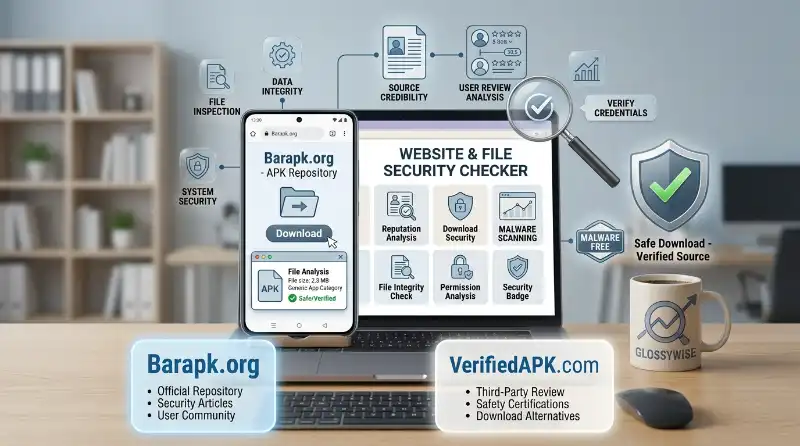
When a platform discusses apps or digital entertainment, users should distinguish between informational content and actual software distribution. Reading about an application is different from installing it. Before downloading software, users should consider its source, permissions, compatibility, and security implications.
Artificial Intelligence and Digital Platforms
Artificial intelligence is changing the way users interact with digital tools. AI can support search, recommendations, translation, content creation, image processing, automation, and personalized experiences. Many applications now incorporate some form of intelligent assistance.
This development creates new opportunities but also requires users to understand limitations. AI-generated information can contain errors, while automated recommendations may not always reflect an individual’s actual needs. Users should remain involved in important decisions instead of assuming that automated systems are always correct.
Barapk Org : can be understood within this broader transformation of digital technology. Users exploring modern platforms may increasingly encounter AI-powered features, personalized tools, and automated systems. Understanding what these features actually do can help users distinguish practical functionality from marketing language.
Privacy and Security Considerations
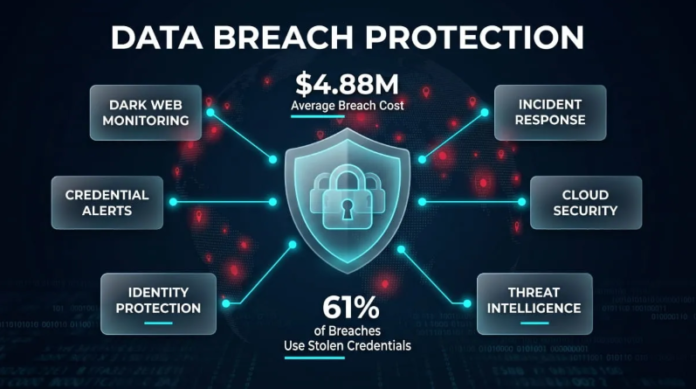
Digital convenience should always be balanced with security awareness. Applications may request access to photographs, contacts, location, microphones, cameras, files, or other device features. Some permissions may be necessary for an application’s purpose, while others may deserve closer examination.
Users should review permissions carefully and avoid sharing sensitive information without a clear reason. They should also keep operating systems and applications updated because updates can contain security improvements. Strong passwords and multi-factor authentication can provide additional protection for important accounts.
When researching Barapk Org : or any unfamiliar technology resource, these basic precautions remain relevant. A professional appearance does not automatically prove that a platform or application is trustworthy. Users should evaluate the source and be cautious with unexpected downloads, suspicious prompts, and requests for sensitive information.
How to Evaluate Digital Information
The internet contains information from many different sources, and quality can vary considerably. Some articles are educational, some are promotional, and others may be outdated or based on incomplete information. Users therefore benefit from developing information-literacy skills.
Publication date is particularly important for technology topics. An article discussing an older version of an application may still provide useful background, but its instructions may no longer match the current interface. Similarly, an old recommendation about device compatibility may not apply to newer hardware.
Barapk Org : can be considered through the same evaluation framework. Users should ask what the information is trying to explain, whether the details are current, and whether important claims can be confirmed through appropriate sources. This approach can make online research more reliable.
Comparing Different Digital Resources
No single type of resource is suitable for every technology question. Different sources have different strengths, and users can benefit from understanding these differences.
| Resource Type | Main Purpose | Useful For |
|---|---|---|
| Technology article | Explains trends and concepts | General learning |
| Official documentation | Provides technical details | Troubleshooting |
| App store information | Describes software features | App research |
| Community discussion | Shares user experiences | Practical perspectives |
| Educational platform | Provides structured learning | Skill development |
For example, a technology article may explain what a particular feature means, while official documentation can provide exact instructions for using it. Community discussions may reveal practical experiences, but users should still consider whether those experiences are representative.
This comparison approach helps prevent overreliance on one source. When privacy, security, compatibility, or financial considerations are involved, checking multiple credible sources can be particularly useful.
The Role of Digital Literacy
Digital literacy is becoming increasingly important because technology affects education, employment, communication, entertainment, and everyday services. Users need to know how to navigate online environments, evaluate information, protect accounts, and use digital tools responsibly.
Digital literacy does not require everyone to become a technology professional. Instead, it involves developing enough understanding to make sensible decisions. A digitally literate user can recognize suspicious requests, understand basic privacy settings, evaluate online claims, and learn how unfamiliar tools work.
Barapk Org : can be approached as one topic within this larger digital-literacy environment. Exploring platforms can be useful when users remain curious while also applying critical thinking to what they encounter.
Future Trends in Digital Discovery
The future of digital platforms will likely involve greater use of artificial intelligence, personalized recommendations, cloud services, connected devices, and automated assistance. Users may increasingly receive information tailored to their interests and digital behavior.
At the same time, concerns about privacy, transparency, security, and responsible technology use are likely to remain important. As platforms become more personalized, users may need to pay closer attention to how information is collected and used.
The growing role of AI also means that information literacy will become even more valuable. Users will need to distinguish between verified information, generated content, advertising, opinion, and speculation. The ability to ask questions and verify important claims will remain useful regardless of how technology develops.
Practical Habits for Exploring Digital Platforms
Users can make their online research more effective by developing a few consistent habits. They can start with a specific question, identify the type of resource they need, and compare information before making important decisions.
Useful habits include:
- Define the purpose before searching for a digital tool.
- Check dates and context when reading technology information.
- Review permissions before installing unfamiliar applications.
- Compare important claims with reliable sources.
- Keep devices, applications, and security settings updated.
These habits allow users to explore digital platforms with greater awareness while still enjoying the convenience that modern technology provides.
Frequently Asked Questions
Why do users explore platforms like Barapk Org?
Users may explore platforms like Barapk Org because they are interested in applications, mobile technology, digital tools, entertainment, or general technology information. The exact reason depends on the user’s individual needs and the current content associated with the platform.
What should users consider before using an unfamiliar digital platform?
Users should examine the platform’s purpose, content, navigation, security practices, and requests for personal information. They should also be cautious about unexpected downloads or prompts that request sensitive credentials.
Why is mobile-friendly design important?
Many people access online information through smartphones. Clear navigation, readable text, responsive layouts, and straightforward organization make information easier to use on smaller screens.
Can users trust all information found online?
No. Online information varies in accuracy and quality. Users should consider the source, publication date, context, and supporting evidence, especially when the information could affect security, purchases, or other important decisions.
How is AI changing digital platforms?
AI is being incorporated into search, recommendations, content tools, translation, automation, and personalization. These features can provide convenience, but users should understand their limitations and verify important information.
What is digital literacy?
Digital literacy is the ability to use, understand, evaluate, and manage digital technology responsibly. It includes skills related to online safety, information evaluation, privacy, applications, and everyday technology use.
Conclusion
Users explore digital platforms for many reasons, from discovering applications and learning about technology to finding practical information and following emerging digital trends. The growth of smartphones, cloud services, AI, connected devices, and online resources has made digital discovery an ordinary part of everyday life.
Barapk Org : can be understood within this larger digital environment rather than as an isolated technology topic. Users who encounter the name can approach it by examining the information available, identifying its relevance to their needs, and applying responsible browsing habits. This approach is particularly useful when a platform involves applications, downloads, account information, or other potentially sensitive digital activities.
As technology continues developing, the ability to evaluate information will become just as important as the ability to access it. Users who remain curious while checking sources, protecting their information, reviewing permissions, and understanding new technologies can make more informed choices. Ultimately, responsible exploration allows people to benefit from digital innovation while maintaining greater awareness of privacy, security, and information quality.

